HANK | Air Force Entrepreneurs
Everyone's selling AI employees. We built the manager.
Two Air Force veterans built an AI team that does the work, checks the work, and answers to a human before anything reaches your customers.
See How We Work With You Book a 15-Minute Call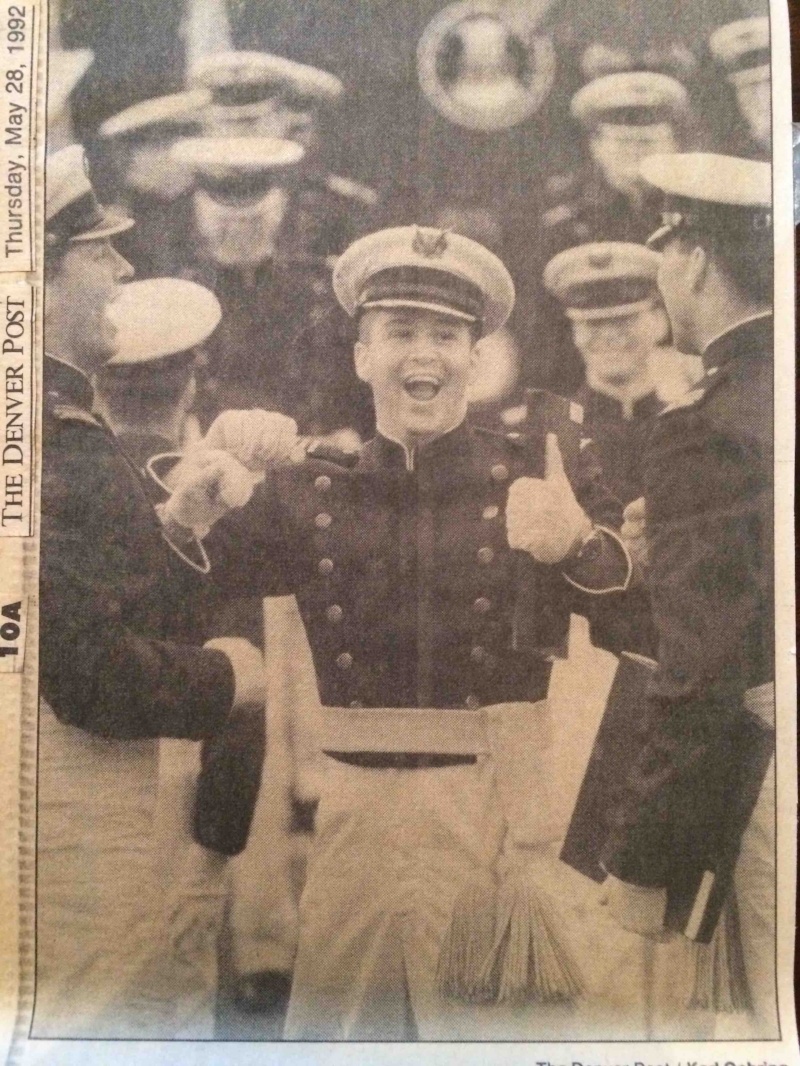
Wes Schaeffer, U.S. Air Force Academy graduation, May 27, 1992. Photo: The Denver Post.
The problem nobody's selling a fix for.
You've seen the ads. "Hire 7 AI employees for $44 a month." "Run your company with 150 AI agents."
Some of those tools are genuinely good. But every employee needs a manager. Somebody has to decide what the AI does, check its work, and catch it when it drifts.
Most owners don't have time to manage one more hire, let alone a hundred bots. So the tools pile up, half-used, and nobody trusts what comes out of them.
What HANK is
In plain English.
HANK is the AI team we built to run inside your business.
It does the work.
Answers leads, chases quotes, cleans up the CRM, drafts the reports, decks and follow-ups your team never gets to.
It checks the work.
A separate checker reviews every output against your rules before it goes anywhere. Wrong price, wrong customer, wrong tone: it stops.
A human signs off.
Wes or Michael approves what matters. Nothing important ships on autopilot.
Who's flying it
Two veterans. One owns the sale, one owns the system.
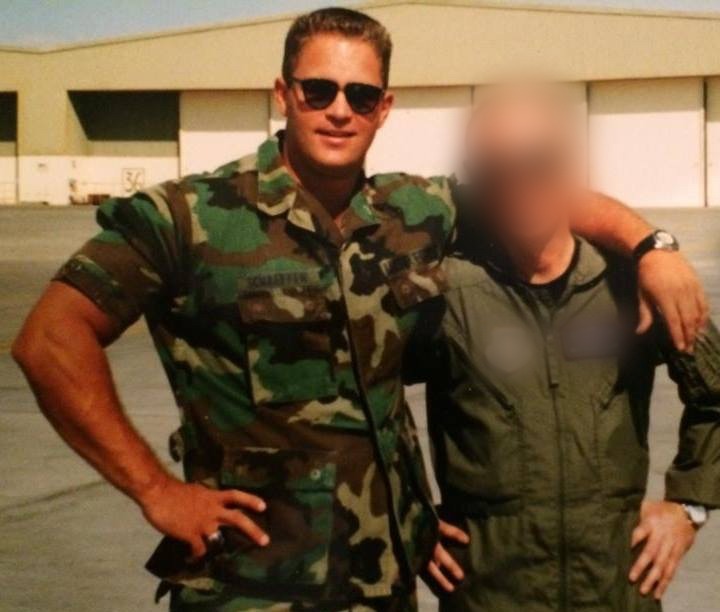
Wes Schaeffer, The Sales Whisperer®
26 years of making software sell.
- U.S. Air Force Academy graduate, Class of 1992, and Air Force veteran
- In sales since 1994; founded The Sales Whisperer® in 2006
- Using SaaS CRMs since 2000, and Salesforce since 2004
- Hired by Dell to train 3,000 North American salespeople on Salesforce over 10 months
- Wrote the book on CRM and marketing automation in 2012: The Definitive Guide To Infusionsoft
- Infusionsoft Partner of the Year, 2013
- HubSpot user and partner since 2014
- Advised more than 3,500 companies; 800+ episodes of The Sales Podcast
Wes runs the sales side: strategy, coaching, role-play and the weekly Debrief with your leadership.
Michael Blum, AI Solutions Architect
- U.S. Air Force veteran: Airborne Missions Systems Operator, 2007 to 2011, running secure communication networks and radio systems in flight
- B.S. in Neuroscience, M.S. in Computer Science
- Ten years as a software engineer, most recently building mission-critical healthcare software at WebPT
- Built data pipelines, workflow automation and system integrations for enterprise software firms
- The engineer behind HANK
Michael runs the tech side: connecting your systems, building the automations, and keeping HANK honest.
How we compare
Every tool is good at something.
Here's where each fits, and where it doesn't.
| What it's great at | What it leaves to you | |
|---|---|---|
| AI employee apps (Marblism, Sintra) | Cheap, quick to start, good for solo owners | Managing the bots and owning the results |
| Build-your-own agent tools (Lindy, Hermes Agent) | Flexible and powerful, for teams with a technical person | Designing, building, hosting and governing them |
| AI courses and masterclasses | Great for owners who want to learn and build | All the building, and all the managing |
| ChatGPT, Gemini, Claude and other assistants | The best raw AI available | Knowing what to ask, and checking every answer |
| Agencies | Deep skill in one area like ads or SEO | Connecting it to the rest of your business |
| HANK, run by Wes and Michael | Done for you, across sales, marketing, CRM and operations, checked before it ships, with a dollar guarantee | Giving us one leader and access |
Where we're not the right fit: if you love building your own bots, a course or a build-it-yourself tool will make you happier. If you're under $1 million in revenue, our price won't make sense yet. We'll tell you so.
Who it's for
Veteran founders who want it done.
- Veteran founder-led companies doing $1 million to $45 million a year
- Running HubSpot or Salesforce, and using a fraction of what they pay for
- Serious about growth, efficiency and the right AI tools
- Ready to give us one leader and full access
Not ready for done-for-you? 12 Weeks To Peak™ and the Inner Circle are great places to start.
Ready to see what we'd find in your business?
Close Air Support is how we work with you: a 48-hour Recon, then a 90-day Mission, with a dollar guarantee at every step.
See Close Air Support Book a 15-Minute CallAutomate. Integrate. Dominate.